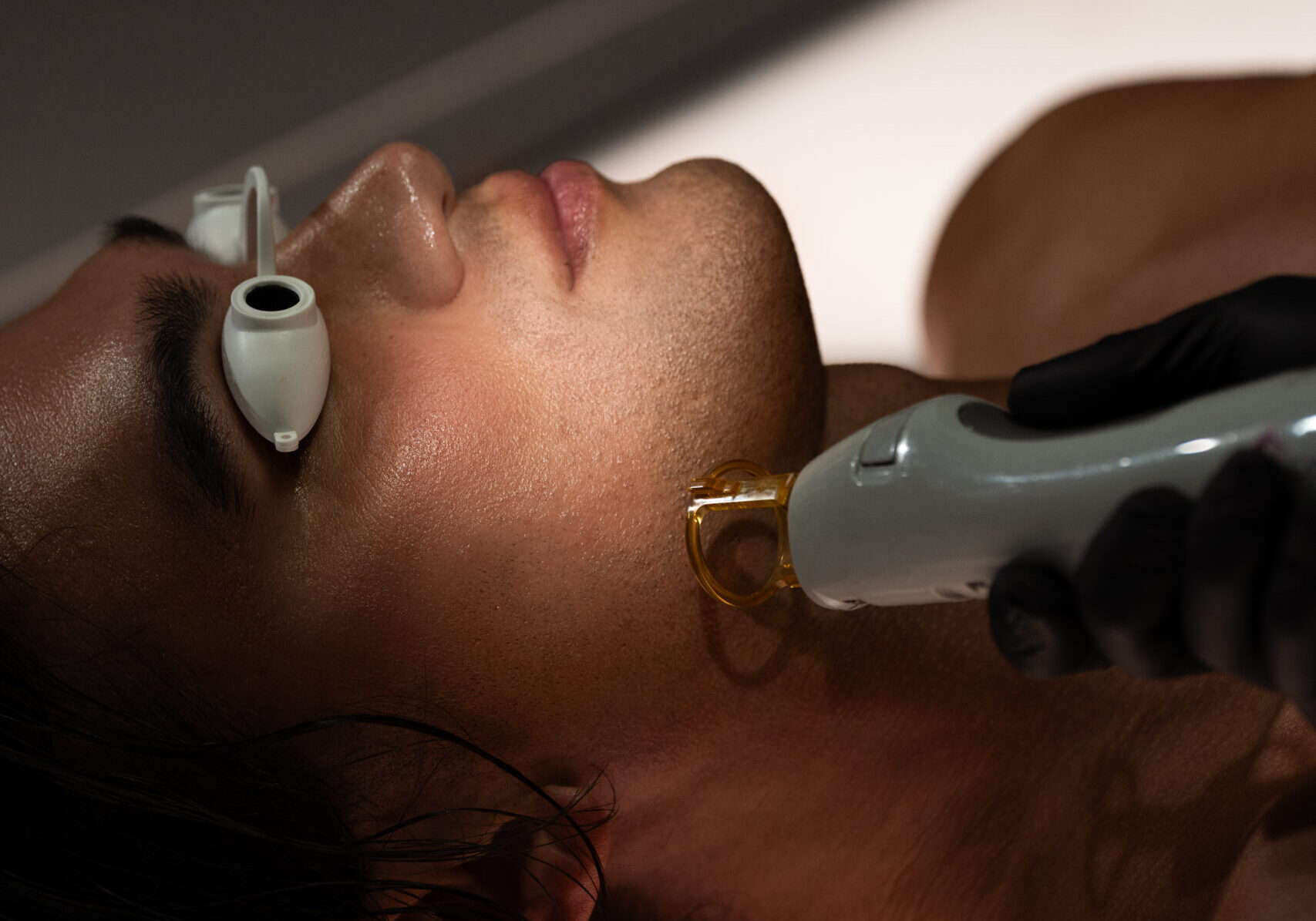
Laser Hair Removal on Broken Skin: What You Need to Know
This guide covers the specific types of broken skin that require postponing treatment, the healing timelines you should follow, and what to expect when you arrive for your skin assessment at SEV.

Laser hair removal on broken skin is not safe and should be avoided until the skin has fully healed. Performing laser hair removal treatment on cuts, wounds, active acne, razor burn, or any compromised skin barrier significantly increases the risk of burns, scarring, infection, and hyperpigmentation. If you have an upcoming appointment and notice any form of skin damage in the treatment area, the safest course of action is to reschedule and allow adequate healing time before proceeding.
Understanding when your skin is ready for treatment protects both your results and your long-term skin health. This guide covers the specific types of broken skin that require postponing treatment, the healing timelines you should follow, and what to expect when you arrive for your skin assessment at SEV.
Is Laser Hair Removal Safe on Broken Skin?
No, laser hair removal is not safe on broken skin. The laser targets melanin in hair follicles by delivering concentrated light energy that converts to heat beneath the skin's surface. When the skin barrier is compromised, this energy can cause direct thermal damage to exposed tissue, leading to burns, prolonged inflammation, and permanent scarring.
Broken skin lacks the protective outer layer that normally shields deeper tissue from external irritants and heat. Without this barrier, the laser's energy penetrates unevenly and can trigger an exaggerated inflammatory response. This is why reputable clinics and board-certified dermatologists universally list broken skin as a contraindication for laser hair removal.
The risks extend beyond immediate discomfort. Treating damaged skin can introduce bacteria into the wound, increasing infection risk. It can also cause post-inflammatory hyperpigmentation, where the healing skin develops dark patches that may take months to fade. For clients seeking permanent hair removal, these complications can delay your treatment timeline far more than simply waiting for the skin to heal naturally.
If you're wondering whether your specific situation qualifies as broken skin, the general rule is straightforward: if the skin is not intact, smooth, and free of active irritation, it's not ready for laser treatment.
Types of Broken Skin and When to Wait
Different types of skin damage require different approaches and healing periods before laser hair removal can safely proceed. Understanding what counts as broken skin helps you make informed decisions about your appointment.
Cuts and abrasions are the most obvious form of broken skin. Any open wound, no matter how small, must be completely closed and healed before treatment. This includes paper cuts, shaving nicks, and scrapes. The skin should show no scabbing, redness, or tenderness at the wound site.
Razor burn and shaving irritation commonly affect areas like the underarms, bikini line, and face. Razor burn creates micro-tears in the skin and triggers inflammation that makes the area hypersensitive to heat. If you experience razor burn after pre-treatment shaving, you'll need to wait until the redness and bumps have fully resolved. This is particularly relevant for clients scheduling underarm laser hair removal or chin laser hair removal, where shaving is required before each session.
Active acne and breakouts present a unique challenge. Inflamed pimples, cysts, and pustules are forms of broken skin that should not be treated with laser. However, the surrounding clear skin can often be treated while avoiding active lesions. For a deeper understanding of how acne affects your treatment options, our guide on laser hair removal and acne provides detailed guidance.
Eczema and psoriasis flares compromise the skin barrier and create areas of inflammation, cracking, and sensitivity. During an active flare, the affected areas must be avoided entirely. Clients with chronic skin conditions should work closely with their dermatologist and laser specialist to identify safe treatment windows. Learn more about managing these conditions alongside laser treatment in our article on eczema and laser hair removal.
Sunburn is a thermal injury that makes skin extremely vulnerable to additional heat damage. Laser hair removal on sunburned skin can cause severe burns and permanent discoloration. Even mild pinkness from sun exposure requires postponement.
Scabs and healing wounds indicate that the skin is still in active repair mode. Treating over a scab can rip it away prematurely, interrupt the healing process, and cause scarring. The area must be fully healed with no visible scabbing before proceeding.
Popped or picked pimples create small open wounds that need time to close completely. Even if the area looks minor, the skin barrier has been broken and requires healing before laser exposure.
Healing Timelines Before Your Laser Appointment
The time needed before your skin is ready for laser hair removal depends on the type and severity of the damage. These timelines provide general guidance, though individual healing rates vary based on factors like age, overall health, and skincare routine.
Minor cuts and shaving nicks typically require 3 to 7 days of healing. The wound should be fully closed with no scabbing, and the surrounding skin should show no redness or tenderness.
Razor burn and irritation generally resolve within 2 to 5 days if you avoid further shaving and keep the area moisturized. For laser hair removal face treatments or chin laser hair removal sessions, consider switching to an electric trimmer for pre-appointment hair removal to minimize irritation.
Active acne lesions need approximately 1 to 2 weeks to heal after the inflammation subsides. Cystic acne may require longer healing periods. Your specialist can often work around isolated breakouts during your session.
Eczema and psoriasis flares require the flare to be fully resolved before treatment, which can take anywhere from 1 to 4 weeks depending on severity and treatment approach. Coordinate with your dermatologist to optimize timing.
Sunburn requires a minimum of 2 weeks after all visible signs have resolved, including peeling and residual pinkness. The skin needs time to fully recover its protective barrier function.
Scabs from wounds or picked skin should be given 1 to 2 weeks after the scab naturally falls off. Avoid picking at scabs, as this extends healing time and increases scarring risk.
If you need to reschedule due to skin damage, don't worry about disrupting your treatment plan. Our laser hair removal touch-up guide explains how to maintain your results and adjust your appointment schedule without compromising your progress toward permanent hair removal.
Do's and Don'ts for Laser Treatment on Compromised Skin
Following proper protocols before and after your appointment protects your skin and ensures optimal results from your laser hair removal treatment.
Do notify your specialist immediately if you develop any cuts, burns, rashes, or breakouts before your scheduled appointment. Providing advance notice allows the clinic to advise whether rescheduling is necessary or if the treatment can proceed on unaffected areas.
Do keep the area clean and moisturized while waiting for skin to heal. Gentle, fragrance-free moisturizers support the skin barrier without causing additional irritation.
Do use sun protection diligently in the weeks leading up to your appointment. Sunscreen with SPF 30 or higher prevents UV damage that could compromise your skin's readiness for treatment.
Do shave carefully 24 to 48 hours before your appointment using a clean, sharp razor and shaving cream designed for sensitive skin. This timing allows any minor irritation to subside before treatment.
Don't attempt to cover or conceal broken skin with makeup or skincare products before your appointment. Your specialist needs to see the true condition of your skin to make safe treatment decisions.
Don't wax, pluck, or use depilatory creams between sessions. These methods remove the hair follicle that the laser needs to target. Shaving is the only approved hair removal method during your treatment series.
Don't use retinoids, glycolic acid, or other exfoliating products on the treatment area for at least one week before your session. These ingredients thin the skin and increase sensitivity to laser energy.
Don't ignore signs of infection such as increasing redness, warmth, swelling, or discharge from any wound. Seek medical attention before considering laser treatment.
If you're concerned about discomfort during treatment, especially on sensitive or recently healed skin, our article on whether laser hair removal hurts addresses what to expect and how specialists minimize discomfort.
What to Expect During Your Skin Assessment
Every laser hair removal session at SEV begins with a thorough skin assessment conducted by trained specialists. This evaluation determines whether your skin is ready for treatment and identifies any areas that may need to be avoided.
Your specialist will visually examine the entire treatment area, looking for cuts, abrasions, active breakouts, rashes, sunburn, or any other signs of compromised skin. They may ask about recent sun exposure, skincare products you've been using, and any changes in your skin since your last appointment.
If broken skin is identified, your specialist will discuss options. In many cases, treatment can proceed on unaffected areas while avoiding the compromised zones. For example, if you have a small cut on your shin, the rest of your legs can typically be treated during that session, and the missed area can be addressed at your next appointment.
The assessment also considers your skin type and the specific laser technology being used. Diode laser hair removal systems, for instance, are calibrated differently based on skin tone and hair characteristics. Your specialist ensures settings are appropriate for your individual needs while accounting for any skin sensitivity.
For clients considering treatment across multiple body areas, understanding the full assessment process helps set realistic expectations. Our guide on full body laser hair removal pros, cons, and results provides comprehensive information about what larger treatment plans involve.
Be honest with your specialist about your skin's condition. Attempting to hide or minimize skin damage puts you at risk for complications and can compromise your results. Specialists are trained to work with you to find safe solutions, whether that means treating around problem areas or rescheduling to a better time.
Book a Consultation with SEV's Laser Specialists
If you're unsure whether your skin is ready for laser hair removal, the best step is to consult directly with a specialist who can evaluate your specific situation. SEV's trained professionals assess skin conditions daily and can provide personalized guidance on timing, healing, and treatment planning.
During your consultation, you can discuss any concerns about cuts, chronic skin conditions, recent sun exposure, or other factors that might affect your treatment. The specialist will examine your skin, answer your questions, and help you create a treatment plan that prioritizes both safety and results.
For clients weighing whether laser hair removal fits their needs and lifestyle, our article on whether laser hair removal is worth it offers perspective on the investment, results, and long-term benefits compared to alternatives like electrolysis vs laser hair removal or at home laser treatment for hair removal.
Ready to take the next step? Visit our customer care page to schedule your consultation, ask questions, or get support with booking your appointment. Our team is here to ensure your laser hair removal experience is safe, effective, and tailored to your skin's unique needs.
Medical Reviewer
FAQs
No, you cannot safely get laser hair removal on broken skin. The compromised skin barrier cannot protect underlying tissue from the laser's heat, which significantly increases the risk of burns, scarring, and infection. You should wait until the skin has fully healed before proceeding with treatment.
Broken skin includes any area where the skin barrier is not intact or is actively inflamed. This encompasses cuts, scrapes, open wounds, scabs, razor burn, active acne lesions, popped pimples, eczema flares, psoriasis patches, sunburn, and any area with visible redness, swelling, or tenderness. If you're uncertain, your laser specialist can evaluate the area during your pre-treatment assessment.
You should wait until the cut or wound is completely healed, which typically takes 3 to 14 days depending on the size and depth of the injury. The skin should be fully closed with no scabbing, and there should be no residual redness or tenderness at the site. Deeper wounds may require longer healing periods.
Laser hair removal should never be performed over a scab, as this can tear the scab away and cause scarring. For healed scars, treatment may be possible depending on the scar's age, type, and location. Newer scars typically need 6 to 12 months of healing before laser treatment is considered safe. Your specialist will evaluate scar tissue during your skin assessment.
If laser hair removal is accidentally performed on broken skin, the risks include thermal burns, prolonged inflammation, infection, delayed wound healing, and permanent scarring. Post-inflammatory hyperpigmentation may also develop, causing dark patches that can take months to fade. If this occurs, contact your provider immediately and seek medical attention if you notice signs of infection.
No, it is not safe to get laser hair removal when you have razor burn or shaving irritation. These conditions indicate that the skin barrier is compromised and inflamed, making it more susceptible to burns and adverse reactions from laser energy. Wait 2 to 5 days until the irritation fully resolves before your appointment.
You should see a doctor if you experience signs of infection such as increasing redness, warmth, swelling, pus, or fever after laser hair removal treatment. Also seek medical attention for severe burns, blistering, intense pain that doesn't subside, or any wound that isn't healing as expected. Early intervention prevents complications and supports proper healing.