Laser Hair Removal Pre and Post Care
This guide walks you through every phase of laser hair removal care, from four weeks before your appointment through the full healing period, so you can feel confident and fully prepared.

Laser hair removal pre and post care involves following a specific timeline of preparation steps before your appointment and protective measures afterward to ensure safe, effective results. Before treatment, you'll need to avoid sun exposure, stop waxing and plucking, and shave the treatment area. After your session, the focus shifts to soothing your skin, avoiding heat and irritants, and protecting the treated area from UV damage. Following these care protocols closely helps maximize hair reduction while minimizing side effects like irritation, burns, or pigmentation changes.
Whether you're preparing for your first session or looking to optimize results from ongoing treatments, understanding exactly what to do—and when—makes all the difference. This guide walks you through every phase of laser hair removal care, from four weeks before your appointment through the full healing period, so you can feel confident and fully prepared.
What to Know Before Your First Laser Hair Removal Session
Laser hair removal works by targeting the pigment in hair follicles with concentrated light energy, which damages the follicle and inhibits future growth. Understanding this mechanism helps explain why the pre and post care steps matter so much—anything that interferes with the laser reaching the follicle or increases skin sensitivity can compromise your results or cause complications.
The treatment requires multiple sessions because hair grows in cycles, and the laser only affects follicles in the active growth phase. Most people need six to eight sessions spaced several weeks apart to achieve significant permanent hair removal. This is true whether you're treating a small area like chin laser hair removal or pursuing full body laser hair removal.
Before booking your first appointment, it's worth understanding how laser hair removal differs from other methods. Unlike electrolysis vs laser hair removal comparisons might suggest, laser treatments cover larger areas more quickly, though both can achieve long-term results. Similarly, while IPL and laser treatment are sometimes discussed interchangeably, they use different light technologies—your laser hair removal clinic can explain which approach they use and why.
If you're new to the process, our ultimate laser hair removal guide provides comprehensive background on how treatments work, what to expect across your full treatment series, and how to evaluate whether you're a good candidate.
Pre-Care Timeline: 4 Weeks to Day-of Preparation
Proper preparation for laser hair removal follows a specific timeline, with different requirements at each stage leading up to your appointment.
4 to 6 Weeks Before Your Appointment
Stop waxing, plucking, and threading immediately. These hair removal methods pull the hair out from the root, and the laser needs that root in place to work effectively. Shaving is the only acceptable hair removal method during this period because it cuts hair at the surface while leaving the follicle intact beneath the skin.
Begin limiting sun exposure to the treatment area. Tanned skin increases the risk of burns and pigmentation changes because the laser may target melanin in your skin rather than just the hair follicle. This applies whether you're preparing for laser hair removal face treatments, brazilian laser hair removal, or laser hair removal legs—any area that might see sun needs protection.
2 Weeks Before Your Appointment
Review any medications you're taking with your provider. Certain medications increase photosensitivity, which can lead to adverse reactions during treatment. Antibiotics, retinoids, and some acne medications are common culprits. Our guide on laser hair removal medications to avoid provides a detailed list to review before your session.
Pause use of any products containing retinol, glycolic acid, or other active exfoliants on the treatment area. These ingredients thin the skin's outer layer and increase sensitivity to the laser.
48 to 72 Hours Before Your Appointment
Avoid any activities that could irritate or inflame your skin. Skip harsh scrubs, chemical peels, and prolonged sun exposure. If you notice any sunburn, cuts, or skin irritation in the treatment area, contact your clinic—you may need to reschedule to avoid complications.
24 Hours Before Your Appointment
Shave the treatment area thoroughly. This is a critical step that many first-timers find counterintuitive, but shaving ensures the laser energy travels down the hair shaft to the follicle rather than burning surface hair. For larger areas like underarm laser hair removal or legs, take your time to shave carefully and avoid nicks.
Day of Your Appointment
Arrive with clean, product-free skin in the treatment area. Skip lotions, deodorants, perfumes, and makeup on the areas being treated. Wear loose, comfortable clothing that won't rub against your skin after the session—this is especially important for brazilian laser hair removal or any treatment in sensitive areas.
What to Expect During Your Laser Treatment
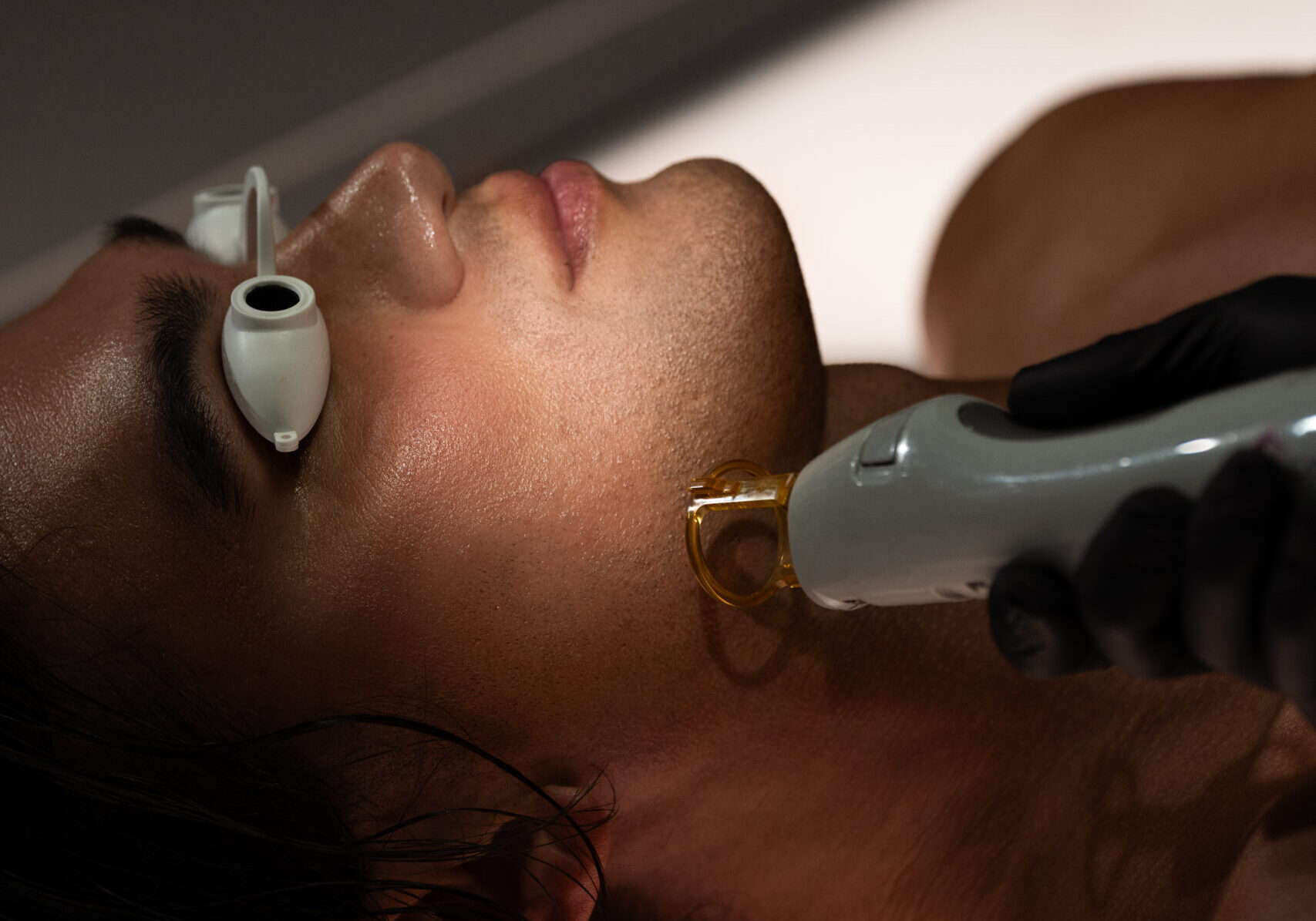
During your laser hair removal session, you'll feel a sensation often described as a rubber band snapping against your skin, accompanied by warmth. The intensity varies depending on the treatment area and your individual sensitivity—underarm laser hair removal and brazilian laser hair removal tend to feel more intense than laser hair removal legs due to the density of nerve endings.
Your technician will provide protective eyewear and may apply a cooling gel or use a device with a built-in cooling mechanism to minimize discomfort. Sessions range from a few minutes for small areas like chin laser hair removal to an hour or more for full body laser hair removal.
If you're concerned about discomfort, discuss options with your provider beforehand. Some clinics offer topical numbing cream, which can significantly reduce sensation during treatment. Learn more about this option in our guide on using numbing cream for laser hair removal.
Immediately after treatment, your skin will likely appear red and slightly swollen around the hair follicles. This reaction, called perifollicular edema, is completely normal and actually indicates the treatment targeted the follicles effectively. The redness typically subsides within a few hours to a day.
Post-Care Timeline: The First 48 Hours and Beyond
Post-treatment care is just as important as preparation. The first 48 hours after your session are crucial for preventing complications and supporting your skin's healing process.
The First 24 Hours
Apply a cold compress to soothe any discomfort, redness, or swelling. Avoid ice directly on skin—wrap it in a soft cloth first. Aloe vera gel or a gentle, fragrance-free moisturizer can help calm the treated area.
Skip hot showers, baths, saunas, and steam rooms. Heat increases inflammation and can worsen irritation. Lukewarm water is fine for bathing, but keep showers brief and avoid directing hot water at the treated area.
Avoid exercise and any activity that causes sweating. Sweat can irritate freshly treated skin and potentially introduce bacteria to vulnerable follicles. For detailed guidance on when you can safely return to your workout routine, see our article on whether you can workout after laser hair removal.
Do not apply makeup, deodorant, or any products with fragrance or active ingredients to the treated area. Stick to gentle, soothing products only.
24 to 48 Hours After Treatment
Continue avoiding heat exposure, including hot tubs, saunas, and intense exercise. Your skin remains sensitive during this window, and heat can prolong redness or cause additional irritation.
If you notice small, raised bumps around hair follicles, don't be alarmed. This perifollicular edema is a normal response that typically resolves on its own. Our detailed explanation of perifollicular edema as a common laser hair removal side effect can help you understand what you're seeing and when to be concerned.
Days 2 Through 14
Sun protection becomes your top priority. Apply broad-spectrum SPF 30 or higher to the treated area daily, even if you don't plan to spend time outdoors. UV exposure during this healing period significantly increases the risk of hyperpigmentation or hypopigmentation, especially for laser hair removal face treatments.
You may notice what looks like hair growth during this period, but it's actually treated hairs being pushed out of the follicles—a process called shedding. This is a sign the treatment worked. Resist the urge to pluck or wax these hairs; let them fall out naturally or gently exfoliate after the first week to help them along.
Resume your normal skincare routine gradually, reintroducing active ingredients like retinol only after your skin has fully calmed, typically around two weeks post-treatment.
Between Sessions
Continue shaving as needed between appointments. Shaving is safe and won't interfere with your next treatment. However, never wax, pluck, thread, or use epilators—these methods remove the hair root that the laser needs to target.
Maintain sun protection throughout your treatment series. Consistent SPF use between sessions helps ensure each treatment can be performed safely and effectively.
Skin Tone Considerations for Laser Hair Removal Care
Laser hair removal technology has advanced significantly, and modern dual-wavelength systems can safely treat all skin tones when properly calibrated. However, clients with deeper skin tones should be aware of specific care considerations that help ensure safe, effective treatment.
The laser targets melanin, the pigment that gives hair its color. Darker skin contains more melanin in the epidermis, which means the laser settings must be carefully adjusted to target the hair follicle without affecting surrounding skin. This is why choosing an experienced laser hair removal clinic with appropriate technology matters—not all lasers are equally safe for all skin types.
For clients with deeper skin tones, pre-care sun avoidance is even more critical. Any additional tanning increases the melanin contrast challenge and may require your technician to use more conservative settings, potentially reducing effectiveness.
Post-treatment, clients with more melanin should be especially vigilant about sun protection to prevent hyperpigmentation or hypopigmentation. These pigmentation changes, while usually temporary, can take months to resolve.
Pain perception and skin sensitivity can also vary. If you have concerns about comfort during treatment, especially for sensitive areas, our guide on how to make laser hair removal less painful offers strategies that can help, including timing your appointment, using numbing options, and communicating with your technician about settings.
Book Your Laser Hair Removal Consultation at Sev Skin
Now that you understand exactly how to prepare for and care for your skin through laser hair removal treatment, the next step is connecting with experienced professionals who can guide you through the process. At Sev Skin, our team uses advanced dual-wavelength technology that's safe and effective for all skin tones, and we'll create a customized treatment plan based on your specific needs and goals.
Whether you're interested in a targeted area like chin laser hair removal or underarm laser hair removal, or you're ready for comprehensive full body laser hair removal, we're here to answer your questions and help you achieve smooth, lasting results.
Book your laser hair removal consultation today to get started with a personalized assessment and treatment plan.
Medical Reviewer
FAQs
Shave the treatment area 24 hours before your appointment, avoid sun exposure for at least two weeks prior, and stop waxing or plucking four to six weeks beforehand. Arrive with clean skin free of lotions, deodorants, or makeup on the treatment area. Review any medications with your provider, as some increase photosensitivity and may need to be paused.
Avoid heat exposure including hot showers, saunas, and exercise for 48 hours after treatment. Stay out of direct sunlight and apply SPF 30 or higher daily. Do not wax, pluck, or use any hair removal method that pulls hair from the root. Skip products with active ingredients like retinol or glycolic acid on the treated area for at least one to two weeks.
Waxing, plucking, or threading between sessions removes the hair root the laser needs to target, significantly reducing effectiveness. Sun exposure or tanning before treatment can make the procedure unsafe or require lower settings that are less effective. Skipping sessions or spacing them too far apart disrupts the hair growth cycle targeting that makes laser hair removal work.
Yes, this is completely normal. What appears to be new growth in the one to three weeks after treatment is usually treated hair shedding from the follicle, not new growth. The hair was damaged at the root and is simply being pushed out. Additionally, the laser only affects hair in the active growth phase, so untreated follicles will continue producing hair until addressed in subsequent sessions.
Avoid direct sun exposure and tanning for at least two weeks before and two weeks after each treatment session. For laser hair removal face treatments or any visible area, consistent daily SPF use throughout your entire treatment series provides the best protection against pigmentation changes. If you do get sun exposure, inform your technician—your appointment may need to be rescheduled.
Yes, shaving is the only hair removal method you should use between sessions. Shaving cuts hair at the skin's surface while leaving the root intact for the laser to target at your next appointment. You can shave as often as needed for comfort or aesthetics. Never wax, pluck, thread, or use epilators, as these remove the hair root and compromise treatment effectiveness.
Normal side effects include redness, slight swelling around follicles, and a sensation similar to mild sunburn. These typically resolve within a few hours to two days. Contact your provider if you experience blistering, severe pain, signs of infection like pus or increasing redness, or significant changes in skin pigmentation. For guidance on what to expect as your treatment series progresses, including touch-up sessions, see our laser hair removal touch-up guide.