Laser Hair Removal vs Waxing
This guide compares laser hair removal vs waxing from every angle that matters for a long-term decision: how each method works, how long results last, what you'll spend over 10 years, how much each one hurts, and which is right for your skin tone and hair type.

Trying to decide between laser hair removal and waxing? If you want long-lasting results, laser hair removal is the better choice for most.
A full series of laser treatments permanently reduces hair growth, while waxing results last about 2 to 4 weeks before you need another appointment. Waxing still has a place, especially for light blonde, gray, or red hair that lasers can't target, or if you only want short-term smoothness.
This guide compares laser hair removal vs waxing from every angle that matters for a long-term decision: how each method works, how long results last, what you'll spend over 10 years, how much each one hurts, and which is right for your skin tone and hair type.
How Laser Hair Removal and Waxing Work
Laser hair removal heats the hair follicle and disables its ability to grow new hair. Waxing pulls the hair out of the follicle but leaves the follicle able to grow it back.
Understanding Laser Hair Removal
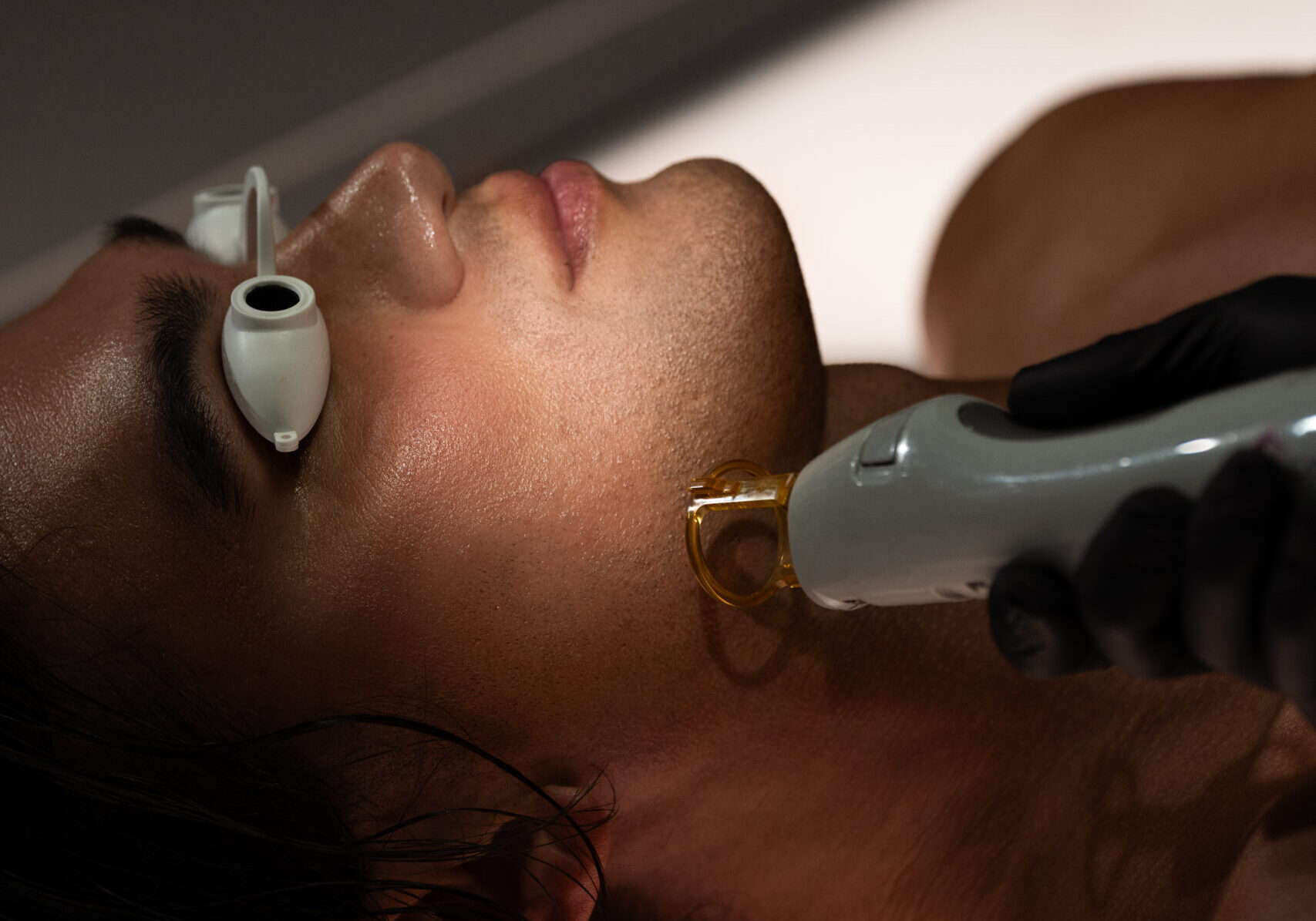
Laser hair removal prevents new hair from growing by selectively damaging the hair follicle. The laser emits concentrated light at a specific wavelength, targeting hair through a process called selective photothermolysis.
Dark pigment (melanin) in the hair absorbs that light and converts it into heat. This creates a tiny but powerful thermal reaction inside the follicle that damages the structures responsible for producing hair.
After a session, follicles that were in the active growth stage (called anagen) shed their hair and stop producing new hair. Because not every follicle is in the active stage at the same time, a series of sessions is always needed to reach total or near-total hair reduction. For a deeper look at the process, read our ultimate guide to laser hair removal.
Understanding Waxing
Compared to laser hair removal, waxing is a simple process. Most hair removal waxes are blends of rosins, polymers, and either beeswax or paraffin wax. The rosins give wax its stickiness.
During a waxing session, heated wax is spread over the skin. As it cools, it grips the hair. When the wax is pulled off, it removes the hair from the root.
Waxing is a form of epilation, meaning it removes the whole hair shaft from the follicle. Lab research on mechanical epilation shows why hair keeps coming back: most of the hair bulb and the dermal papilla, the structures that make new hair, stay in the skin after the hair is pulled.
Laser vs Waxing: Side-By-Side Comparison
Laser hair removal wins on longevity, lifetime cost, and skin health; waxing wins on upfront price per visit and works on any hair color.
How to Choose Between Laser Hair Removal and Waxing for Long-Lasting Results?
Laser hair removal is a long-term hair reduction method. Each session reduces regrowth little by little. After a full series, results are significant and long-lasting, with occasional touch-ups to treat any follicles that become active later.
Waxing results typically last 2 to 4 weeks. Some people notice that hair grows back a little thinner and lighter after years of waxing. Research supports this: according to Bertolini et al., epilation reduces melanin in the follicle and increases cell death in the hair-producing tissue, which may explain thinner, lighter, slower regrowth. That effect is slight and inconsistent, though, and nowhere near the targeted, lasting reduction of laser hair removal.
Long-Term Cost Breakdown: Laser Hair Removal vs Waxing Over 10 Years
While a single waxing appointment may be cheaper in the short term, laser hair removal is a much more cost-effective option over a ten-year period or longer.
Over 10 years, monthly Brazilian waxing costs about $7,080 (based on pricing from StyleSeat), while a Sev Skin Membership for the same area starts at $900, and even includes a lifetime of free annual touch-ups to maintain results.
In other words, choosing laser over waxing can save you thousands of dollars within the first decade, and tens of thousands over a lifetime. The gap is widest for larger areas, which is why many clients consider full body laser hair removal instead of a regular full body wax. For a closer look at the value question, read is laser hair removal worth it?
Time is a cost too. At one appointment a month, a waxing routine means about 120 salon visits over 10 years, plus the weeks spent growing hair out between them.
Pain, Skin Sensitivity, and What First-Timers Should Know
Most people find laser hair removal less painful than waxing, and it gets easier as hair thins with each session. Laser is usually described as a quick snap, like a rubber band against the skin, and many modern devices cool the skin as they treat it. For a full breakdown, read does laser hair removal hurt?
Waxing pulls every hair from the root at once, and because you have to keep waxing for life, the discomfort never ends.
How Each Method Affects Your Skin
Waxing causes measurable irritation. In a clinical study of women who regularly removed underarm hair, underarm waxing caused a significant spike in redness 30 minutes afterward, which returned to baseline within 48 hours. Two participants in the waxing group were withdrawn because their irritation was excessive (Evans et al., 2020).
A single wax didn't cause lasting dark spots in that study. However, the researchers concluded that the darkening people notice over time likely comes from the cumulative effect of repeated irritation. That's especially relevant for people with medium to deep skin tones, who are more prone to post-inflammatory hyperpigmentation.
Lab research also shows that epilation triggers inflammation around the follicle and temporarily heightens the nerve signals linked to itch, pain, and heat sensitivity (Bertolini et al., 2023). This helps explain why freshly waxed skin often feels tender and reactive.
Safety and Choosing a Provider
With both methods, complications usually come from poorly trained providers or skipped pre- and aftercare. Both carry a risk of burns, scarring, or pigment changes, especially if the skin is already compromised, the wax is too hot, or the laser settings don't suit your skin.
Waxing carries a slightly higher risk of infection, because it causes more trauma to the skin and leaves it more open to bacteria. Regulation also differs. Lasers are medical devices that require FDA clearance, and laser hair removal clinics generally operate with some form of medical oversight, though the exact rules vary by state. Waxing salons don't need medical oversight, so if you choose waxing, picking a licensed, hygienic provider is especially important.
Prep and Aftercare for Waxing and Laser
Both methods call for gentle skin care before and after treatment. Timelines vary, so always follow your provider's instructions.
Before either treatment, avoid sun exposure, tanning, and irritating products or treatments. Arrive with clean skin, free of deodorant, makeup, and lotion.
The biggest difference is how you prepare your hair:
- Waxing: You need at least a few millimeters of visible growth. That can be inconvenient if you want skin-baring outfits in the week or two before your appointment.
- Laser: You shave 24 to 48 hours before treatment so the laser can reach the follicle. Afterward, wait a short time before shaving to avoid irritation, then shave as often as you like between sessions.
After either treatment, keep avoiding sun exposure, and skip intense workouts and irritating products while your skin is sensitive.
Why You Shouldn’t Wax During a Laser Treatment Series
You shouldn't wax, pluck, or thread while you're in a laser hair removal series, because these methods remove the hair the laser needs to target. Shaving is the only hair removal method to use between laser sessions.
If you're switching from waxing to laser, wait at least four weeks before treatment. During that time, shave instead. This gives the follicles time to hold hair again so your first laser session can work.
Which Method for Your Skin Tone and Hair Type
Laser hair removal works best on dark hair and, with the right technology, is safe and effective for all skin tones. Waxing works on any hair color, which makes it, or electrolysis, the better options for light blonde, red, gray, or white hair.
Skin Tone
Lasers target pigment, so older devices worked best when there was strong contrast between dark hair and light skin. Deeper skin tones contain more melanin, and the wrong wavelength can heat the skin along with the follicle.
Today, the right laser makes the difference. Sev Skin uses laser devices with two types of wavelengths, so we can choose the right laser for each client’s skin tone. Read more about laser hair removal for dark skin.
Waxing isn't automatically the gentler choice for deeper skin. Repeated waxing can lead to post-inflammatory hyperpigmentation over time, and people with medium to deep skin tones are more prone to it. Ingrown hairs and the dark spots they leave behind are also common with waxing.
Hair Color and Texture
Hair color matters more than skin tone for laser. Dark, coarse hair absorbs the most light and responds fastest. Light blonde, red, gray, and white hair contain little or no melanin, so lasers can't target them effectively. Learn more about laser hair removal for white hair.
If your hair is light, you have two main options. Waxing removes it temporarily, and electrolysis hair removal treats each follicle individually with an electric current. Electrolysis works on any hair color and offers permanent hair removal, but it's slower and better suited to small areas.
Book Your Free Laser Hair Removal at SEV SKIN
If your goal is smooth skin without the constant upkeep, laser hair removal is the better long-term choice than waxing. Beyond lasting results, it's gentler on the skin, less painful over time, and significantly cheaper over a lifetime.
If you're still looking for the right laser hair removal clinic, we'd love to welcome you at Sev Skin. Our experienced nurses and laser technicians, transparent and budget-friendly pricing, and dual-wavelength laser technology that's effective on all skin tones come together to create a premium experience for every client.
Ready to start? Book your first treatment for free with code HELLOSMOOTH at your nearest Sev Skin location.
Medical Reviewer
FAQs
For most beginners who want long-term results, laser hair removal is the better place to start. It's less painful over time, it doesn't require growing hair out, and starting early means you never build a years-long waxing habit. Waxing can be a better first step if you have light blonde, gray, or red hair, or if you want to try professional hair removal for a single event before committing to a series.
Compare them on five factors: results, total cost over time, provider qualifications, technology, and pricing transparency. For laser, ask whether the clinic has medical oversight, which lasers it uses for your skin tone, and what a full series costs, including touch-ups. For waxing, check licensing, hygiene practices, and the true cost of monthly visits over several years.
Laser hair removal is worth investing in for permanent hair reduction, as it’s quick, cost-effective, and creates lasting results. You can learn how laser hair removal compares to electrolysis in our latest post for more insight into the difference between permanent hair removal and reduction.
Laser hair removal offers permanent hair reduction, not a guarantee that every hair is gone forever. After a full series, most treated follicles stop producing hair, and any hair that does grow back is usually finer and lighter. Hormonal changes can activate new follicles over time, which is why occasional touch-up sessions help maintain results.
Yes. Monthly Brazilian waxing costs about $7,080 over 10 years and $21,240 over 30 years at average prices. A Sev Skin 18-month membership for the Brazilian area starts at $900, including all treatments needed in the first 18 months and annual touch-ups after that.
Waxing usually hurts more. Laser hair removal feels like a quick rubber band snap, and discomfort decreases as hair thins with each session. Waxing pulls every hair from the root at once, and since it never reduces hair growth, the discomfort continues for as long as you wax.
Yes. Laser hair removal disables the follicle, so hair stops growing back and can't become trapped under the skin. Waxing, on the other hand, is a common cause of ingrown hairs, especially on the bikini line, legs, and underarms.
You'll need a series of sessions, usually spaced 4 to 6 weeks apart, because hair grows in cycles. Stop waxing and plucking about four weeks before your first session, shave 24 to 48 hours before each appointment, and avoid sun exposure and self-tanner. Results build gradually, so expect noticeable reduction after a few sessions rather than after the first.
The main downsides are a higher upfront cost, the need for multiple sessions before you see full results, and limited effectiveness on light blonde, red, gray, or white hair. Laser also isn't instant: hair sheds gradually in the weeks after each session. Waxing gives immediate smoothness and works on any hair color, but results are short-lived.
No. Waxing removes the hair from the root, leaving the laser nothing to target at your next session. Shave between sessions instead, and pause waxing, plucking, threading, and epilators until your treatment series is complete.